
by Eurolng.com Staff
Natural gas will remain the backbone of the balance
Why temporary price spikes do not erase its role for the next 20 years
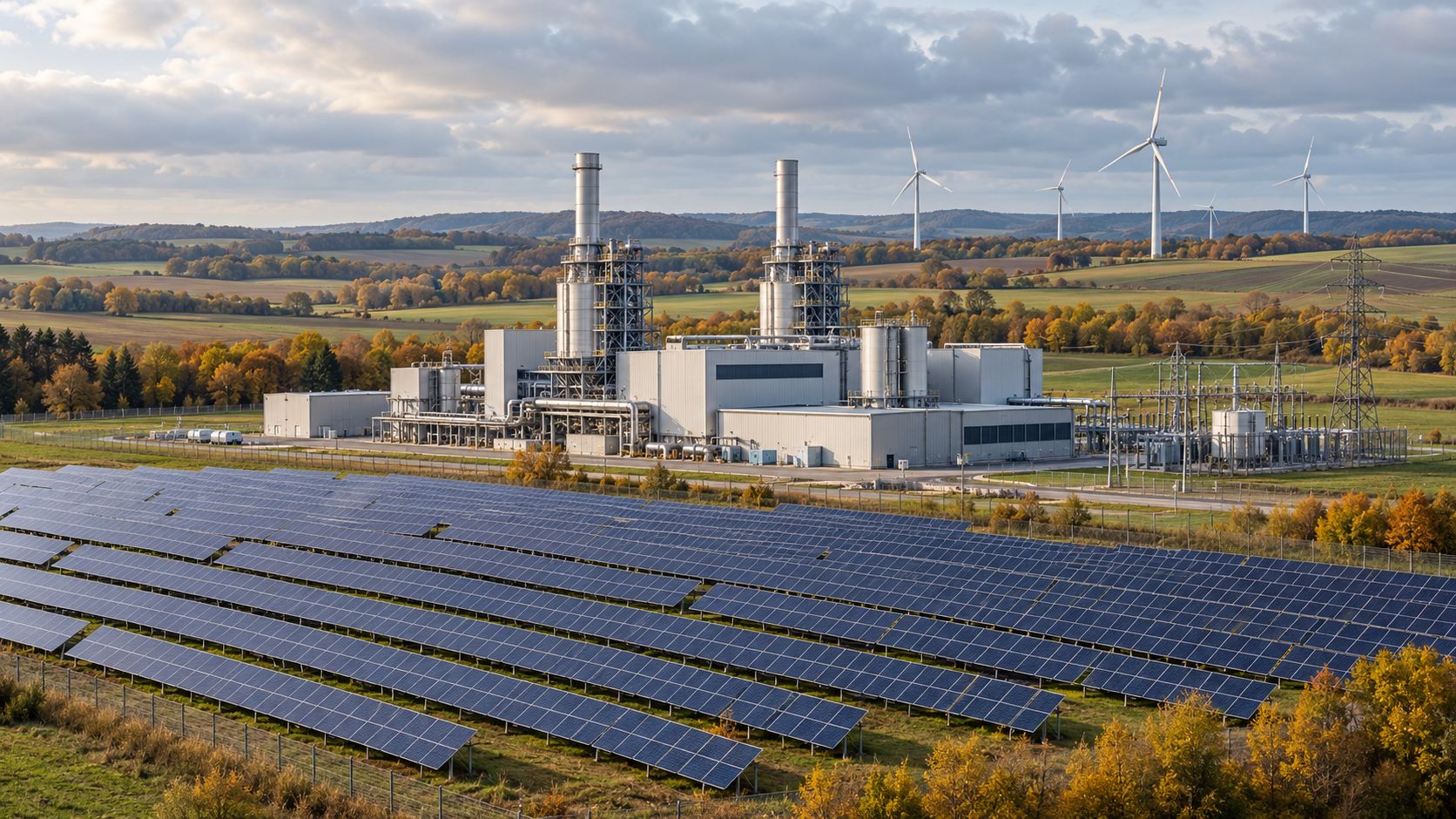
The rise in TTF prices in autumn 2026 has once again raised questions about the future of natural gas in Europe. Behind the short-term volatility, however, lies a more important structural picture: gas remains — and will remain for a long time — a key primary energy source that balances the growing share of renewables. Oil fuels are already losing ground, coal and liquid petroleum products are leaving power generation, and the flexibility of gas-fired capacity is becoming only more valuable.
1. Gas as the balancer of renewable energy
Solar and wind generation are growing fast, but they are intermittent. The system needs capacity that can start and stop quickly, cover peaks and compensate for periods of weak wind or sun. Modern gas-fired power plants perform exactly this function. Unlike coal and fuel oil, gas offers relatively low emissions, high flexibility and compatibility with existing infrastructure. Even in deep-electrification scenarios, experts retain a role for gas as “firm capacity” — reserve and balancing power for decades ahead. As the share of renewables rises, this role does not disappear; it changes: gas runs less often, but in critical hours it becomes indispensable.
2. Oil is already leaving transport
Consumption of petroleum fuels in the EU has begun a sustained decline. Electric vehicles account for a growing share of new registrations: in some months of 2026 fully electric cars have exceeded 20% of sales. This is already reducing demand for petrol and diesel and lowering Europe’s dependence on oil imports. Transport, for decades the main consumer of oil products, is gradually shifting to electricity. Gas does not compete directly with EVs — it supports the power system that charges them and remains a fuel for industry, heat and heavy transport, where electrification is slower.
3. Coal and liquid fuels exit power generation
New generating capacity in Europe is virtually no longer built on coal or petroleum distillates. Coal-fired generation is shrinking, and liquid fuels long ago ceased to be a base for power plants. Gas, by contrast, remains the technology of choice for flexible thermal generation: fast start-up, a relatively clean emissions profile and the option, over time, to switch to hydrogen or biomethane. The infrastructure of pipelines, underground storage and LNG terminals built in recent years will stay in demand for a long time — including for low-carbon gases.
4. Temporary price spikes do not cancel long-term demand
High TTF prices are the result of geopolitics, storage levels and competition for LNG — not a signal that the gas era is over. Energy market history shows that periods of high prices alternate with periods of surplus supply. In the coming years new LNG volumes will come to market from the US, Qatar and other projects. At the same time, demand for flexible generation and industrial gas will persist. For consumers this means it makes sense not to abandon gas, but to build long-term relationships with suppliers, use formula contracts and, where appropriate, move to Bio-LNG and other low-carbon options within the same infrastructure.
5. Reasons for optimism for natural gas users
Gas users have solid ground to stand on:
- Gas remains the most flexible and accessible balancer for renewables on a 15–20 year horizon.
- The infrastructure is already in place and can accept biomethane and, in time, hydrogen.
- Oil and coal are losing ground faster — space for gas in the energy mix remains.
- Small-scale LNG and Bio-LNG give industry and transport real tools to cut the carbon footprint without changing equipment.
- Long-term contracts and supply diversification allow price risk to be managed.
Conclusion
Natural gas is not the “last fossil fuel” that must be replaced at once. It is both a bridge and a safety net for the energy transition. While renewables increase their share and electric vehicles displace oil from transport, gas keeps the system stable. Temporary price spikes are painful, but they do not cancel the fundamental role of gas. For companies already using LNG and gas, this is a reason to strengthen their position, invest in efficiency and gradually add low-carbon molecules — not to abandon a gas strategy.